

Environmental Charter
Environment (E) 01 / 08Environmental Charter
Environmental Charter
Building on a corporate culture that is predictable, fair, and principled,
SAMU upholds its responsibility for environmental protection and sustainable development
through the following principles.
- One.Strictly comply with domestic and international environmental laws and regulations, and, through continuous monitoring, deliver environmental protection that goes beyond legal requirements.
- One.Proactively prevent pollution from production activities, and minimize environmental impact through the efficient use of energy and resources.
- One.Set greenhouse gas reduction targets and pursue carbon neutrality by expanding renewable energy use and improving energy efficiency.
- One.Manage our operations to safeguard biodiversity, and grow into a nature-friendly company through a sustainable supply chain.
- One.Regularly review and improve environmental goals, and build trust with stakeholders by disclosing the results transparently.
- One.Provide regular training and engagement opportunities so that every employee understands and acts on the importance of environmental management.
Environmental Management Policy
Environment (E) 02 / 08To meet its responsibility for preserving the global environment and building a sustainable future,
SAMU makes eco-friendly management a core value across every business activity.
We run our business in harmony with the environment and,
to embed a corporate culture grounded in ESG (Environmental, Social, and Governance) principles,
hereby declare the following environmental management policy.
- One. Compliance with environmental laws and international standards: Strictly comply with domestic and international environmental laws and regulations, and build and continuously improve a management system aligned with international environmental standards.
- One. Climate change response and carbon neutrality efforts: Reduce greenhouse gas emissions, maximize energy efficiency, and establish and implement strategies to achieve long-term carbon neutrality (Net-Zero).
- One. Resource conservation and expanded recycling: Continuously pursue the efficient use of resources, waste reduction, and expanded recycling across all production and business operations.
- One. Eco-friendly technology and product development: Expand the use of eco-friendly raw materials, and pursue technology and innovation that minimize the environmental impact of our products and services.
- One. Raising employee environmental awareness: Regularly run environmental training and campaigns for employees, and encourage eco-friendly behavior.
- One. Strengthening cooperation with stakeholders: Take the lead in realizing environmental value through ongoing dialogue and cooperation with stakeholders, including our supply chain, customers, and local communities.
Environmental Management Framework
Environment (E) 03 / 08SAMU pursues sustainable growth
through resource conservation and energy efficiency.
An eco-friendly company leading the way to a sustainable future through resource conservation and energy efficiency
Driving green growth by strengthening the environmental management system
Raw material management + Water resource management + Energy use management and reduction + Greenhouse gas emissions management and reduction
Resource Usage
Environment (E) 04 / 08Unit: kWh
Unit: ton
Resource Usage
Environment (E) 05 / 08Unit: m³
Unit: km
Greenhouse Gas Emissions
Environment (E) 06 / 08Unit: tCO2e
SAMU has set clear reduction targets and a roadmap to Net-Zero, and is executing them step by step.
To address climate change and help build a sustainable society, we have set a target to "cut greenhouse gas emissions 20% by 2030 against 2024 levels,"
and we will keep working toward carbon neutrality by 2050 through energy transition, improved equipment efficiency, and the adoption of eco-friendly production technologies.
GHG Reduction Targets
Environment (E) 07 / 08Scope 1
Unit: tCO2e
Scope 2
Unit: tCO2e
Injection Sample Handling
Environment (E) 08 / 08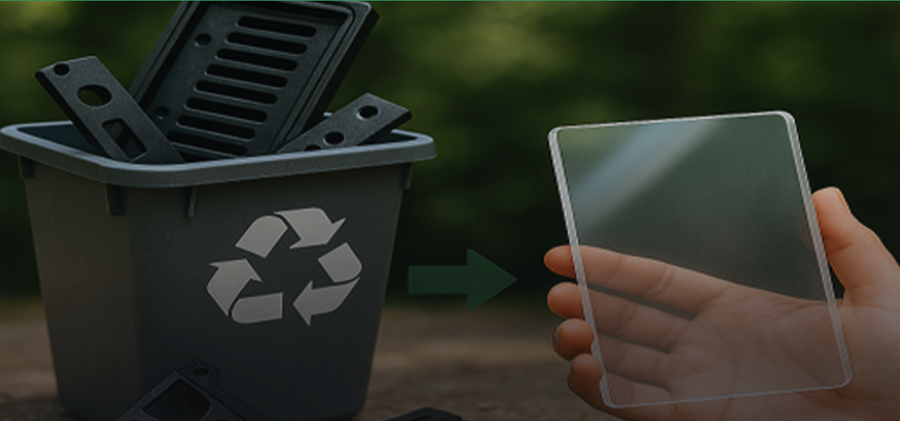
The injection-molded samples produced at our plants are never simply thrown away;
instead, we exchange them for acrylic resin and put them back to use.